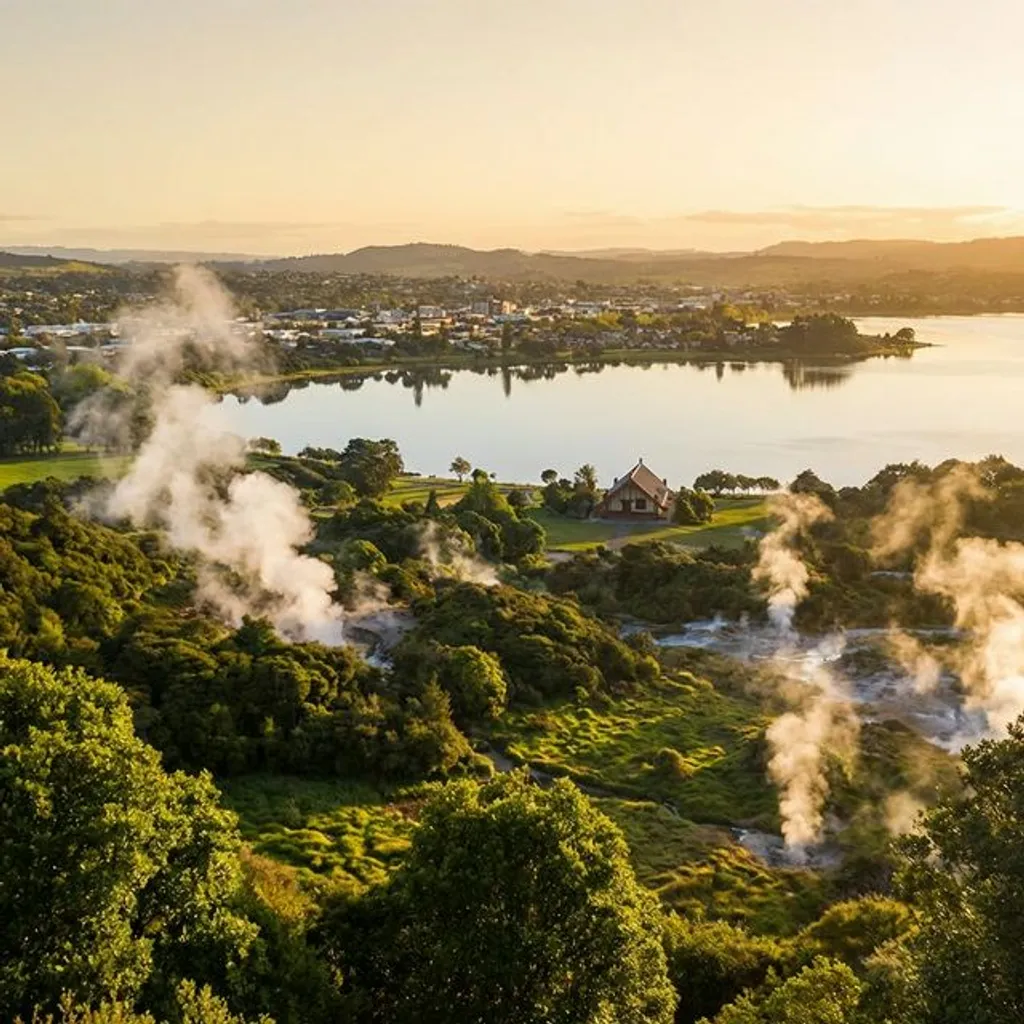
Rotorua sits at the heart of New Zealand's geothermal region, surrounded by steaming vents, bubbling mud pools, and stunning lakes. The city is also the cultural heartland of the Te Arawa iwi (tribe), making it one of New Zealand's most distinctive destinations. For migrants, Rotorua offers unique employment opportunities in tourism, forestry, and healthcare, plus the immigration benefits of regional settlement.
This guide explores what Rotorua offers migrants and how to find immigration advisers who can help navigate your visa pathway in this unique New Zealand city.
Understanding Rotorua's Unique Character
Geothermal Landscape
Rotorua's geothermal activity shapes everything about the city:
Natural Wonders: Geysers, hot springs, boiling mud pools, and sulfurous vents create a landscape like nowhere else. The distinctive sulfur smell becomes familiar to residents quickly.
Tourism Foundation: The geothermal attractions have made Rotorua a tourism destination since the 1800s. Tourism employment remains central to the local economy.
Geothermal Resources: The same underground heat that powers attractions also provides renewable energy. Geothermal power generation and heating have commercial applications.
Māori Cultural Center
Rotorua has particular significance for Māori heritage:
Te Arawa: The local iwi has occupied this region for centuries. Their cultural presence is visible throughout Rotorua—in place names, cultural attractions, and community life.
Cultural Tourism: Māori cultural performances, village experiences, and heritage sites are major tourist attractions. Employment in cultural tourism requires cultural knowledge and connection.
Living Culture: Unlike "museum piece" heritage, Māori culture in Rotorua is living and contemporary. The integration of Māori perspectives into daily life distinguishes the city.
Lakes District
Rotorua is surrounded by lakes:
Lake Rotorua: The city's namesake lake dominates the landscape. Recreation, fishing, and lakefront living define many residents' lifestyles.
Surrounding Lakes: Lakes Tarawera, Rotoiti, Okareka, and others provide diverse recreation opportunities. Mountain biking, fishing, swimming, and boating are readily accessible.
Industries and Employment
Tourism and Hospitality
Tourism is Rotorua's largest industry:
Attractions: Geothermal parks (Wai-O-Tapu, Te Puia, Hells Gate), adventure activities (luge, zorbing, zip lines), and cultural experiences all employ substantial workforces.
Accommodation: Hotels, motels, resorts, and backpackers serve the visitor market. Hospitality management and staff opportunities exist across the sector.
Food and Beverage: Restaurants, cafés, and tour-related catering employ chefs, hospitality workers, and managers.
Tourism roles may be seasonal, though Rotorua's year-round attractions provide more stability than purely seasonal destinations.
Forestry and Wood Processing
The central North Island is New Zealand's major forestry region:
Plantation Forests: Extensive pine plantations surround Rotorua. Forest workers, machine operators, and plantation managers are employed in forestry operations.
Processing: Sawmills and wood processing facilities require production workers, qualified tradespeople, and technical specialists.
Support Services: Transport, equipment maintenance, and forestry services employ additional workers.
Forestry roles often offer regional immigration advantages with reasonable wages and opportunities for career progression.
Healthcare
Healthcare serves the regional population:
Rotorua Hospital: Lakes DHB operates Rotorua Hospital serving the Bay of Plenty region. Nursing, medical, and allied health positions are regularly advertised.
Primary Care: General practices, medical centers, and dental clinics employ healthcare workers throughout Rotorua.
Aged Care: Rest homes and aged care facilities serve the aging regional population.
Healthcare roles often qualify for Green List pathways and consistently offer residence-qualifying employment.
Agriculture and Dairy
Surrounding rural areas support agriculture:
Dairy Farming: Farms in the wider region employ farmhands through to farm managers.
Pastoral Farming: Sheep and beef operations provide additional agricultural employment.
Agribusiness: Agricultural support services, veterinary practices, and rural supplies employ workers with agricultural backgrounds.
Immigration Advantages
Regional Bonus Points
Rotorua's regional status provides significant immigration benefits:
+30 SMC Points: Working in Rotorua adds 30 points to Skilled Migrant Category applications. For many applicants, this regional bonus makes the difference in achieving selection.
Healthcare Green List: Combined with healthcare's Green List status, regional healthcare roles offer exceptionally strong pathways.
Lower Competition: Smaller applicant pools in regional areas can mean less competition for both jobs and immigration pathways.
Lifestyle Value
Beyond immigration technicalities, Rotorua offers:
Affordable Living: Housing and general costs are lower than major cities. Your wages stretch further in Rotorua.
Outdoor Lifestyle: Mountain biking (Rotorua is world-famous for its trails), fishing, hiking, and water sports are accessible daily.
Community Connection: Smaller city life enables genuine community involvement that can be harder in larger centers.
Living in Rotorua
Population and Character
Rotorua has a population of approximately 75,000 in the urban area and 85,000 in the district. The city has:
Provincial Character: Rotorua has small-city convenience—everything you need is accessible, but without big-city congestion or anonymity.
Cultural Richness: Strong Māori presence gives Rotorua cultural depth uncommon in similar-sized cities.
Tourism Influence: The tourism industry shapes the city's rhythm. Visitors are constantly present, and hospitality pervades local culture.
Housing and Suburbs
Central: Downtown Rotorua and surrounds. Older housing stock, walkable to amenities. More affordable options but variable quality.
Lakefront: Premium locations near Lake Rotorua. Higher prices but scenic lifestyle.
Ngongotahā: Growing suburb toward Lake Rotorua's western side. Popular with families. Good schools.
Western Heights/Owhata: Residential suburbs with family housing. Good value and community feel.
Cost of Living
Rotorua offers affordability advantages:
Housing: Median house prices are significantly lower than Auckland, Tauranga, or Wellington. Rental costs are also more manageable.
General Costs: Day-to-day expenses are comparable to other provincial cities.
Income Considerations: Some wages may be lower than major centers, though living costs often allow comparable or better lifestyle.
Education
Schools: Rotorua has multiple primary and secondary schools. State, state-integrated, and private options exist.
Te Reo Māori: Some schools offer strong Māori language education. Kura kaupapa Māori provide Māori-medium options.
Tertiary: Toi Ohomai Institute of Technology has a Rotorua campus. University study often means traveling to Hamilton (Waikato University) or other centers.
Healthcare Access
Rotorua Hospital: Full hospital services are available locally, avoiding the need to travel for most healthcare.
Specialists: Some specialist services require traveling to Hamilton or Auckland. Good primary care is available locally.
Finding Immigration Help
Local and Regional Advisers
Rotorua has immigration advisers serving the central North Island:
Local Knowledge: Advisers familiar with Rotorua understand local employers, employment patterns, and settlement realities.
Regional Coverage: Some advisers serve wider Bay of Plenty or central North Island areas from Rotorua or other bases.
Choosing an Adviser
When selecting an adviser:
Licensing Verification: Check the Immigration Advisers Authority register.
Relevant Experience: Look for experience with your visa category and sector.
Accessibility: Consider whether in-person meetings matter to you or whether remote service works.
Browse our Rotorua immigration advisers listings for licensed professionals in the area.
Settlement and Community
Welcoming Community
Rotorua has experience welcoming newcomers:
Established Migrant Communities: Filipino, Indian, Chinese, and other communities have established presence with cultural organizations and support networks.
Community Hospitality: The tourism orientation means residents are accustomed to welcoming visitors and newcomers.
Māori Hosting Tradition: Manaakitanga (hospitality) is central to Māori culture, influencing broader community welcome.
Integration Resources
Citizens Advice Bureau: Free advice on practical matters.
Rotorua Lakes Council: Local settlement information and community connections.
Cultural Organizations: Ethnic community groups provide social connection and practical support.
Lifestyle Activities
Getting involved in local activities helps settlement:
Mountain Biking: Rotorua is world-renowned for mountain biking. The Whakarewarewa Forest trails attract riders globally.
Fishing: Trout fishing in the surrounding lakes is legendary.
Thermal Bathing: Hot pools and thermal bathing are part of local lifestyle.
Cultural Events: Festivals, cultural performances, and community events offer integration opportunities.
Frequently Asked Questions
Does Rotorua really smell like sulfur?
Yes, geothermal areas have a distinctive sulfur smell. Residents adapt quickly, and many areas of the city have minimal smell. The geothermal character is part of what makes Rotorua unique.
Is Rotorua too tourist-focused for permanent living?
No—while tourism is significant, Rotorua is a full community with normal residential life. Suburbs away from tourist centers feel like any other New Zealand town.
How does the job market compare to larger cities?
Rotorua has a smaller job market than Auckland or Wellington but genuine opportunities exist, particularly in tourism, healthcare, and forestry. Regional bonus points help offset any job market size limitations.
Are there good schools for migrant children?
Yes, Rotorua has quality schools at all levels. Some schools have experience supporting English language learners. Research specific schools in areas you're considering.
What's the weather like?
Rotorua has a temperate climate. Winters are cool with occasional frosts. Summers are warm, sometimes humid. Rainfall is moderate and spread throughout the year.
How far is it to Auckland or other major cities?
Auckland is approximately 2.5-3 hours drive. Hamilton is about 1 hour. Tauranga is approximately 1 hour. Domestic flights from Rotorua connect to main centers.
Interested in living and working in Rotorua? Find a licensed immigration adviser who can help you explore the opportunities in this unique New Zealand city.